SShortSingh.
Back to feed

Can US Bunker-Busters Actually Destroy Iran's Deepest Nuclear Site?
0
·1 views

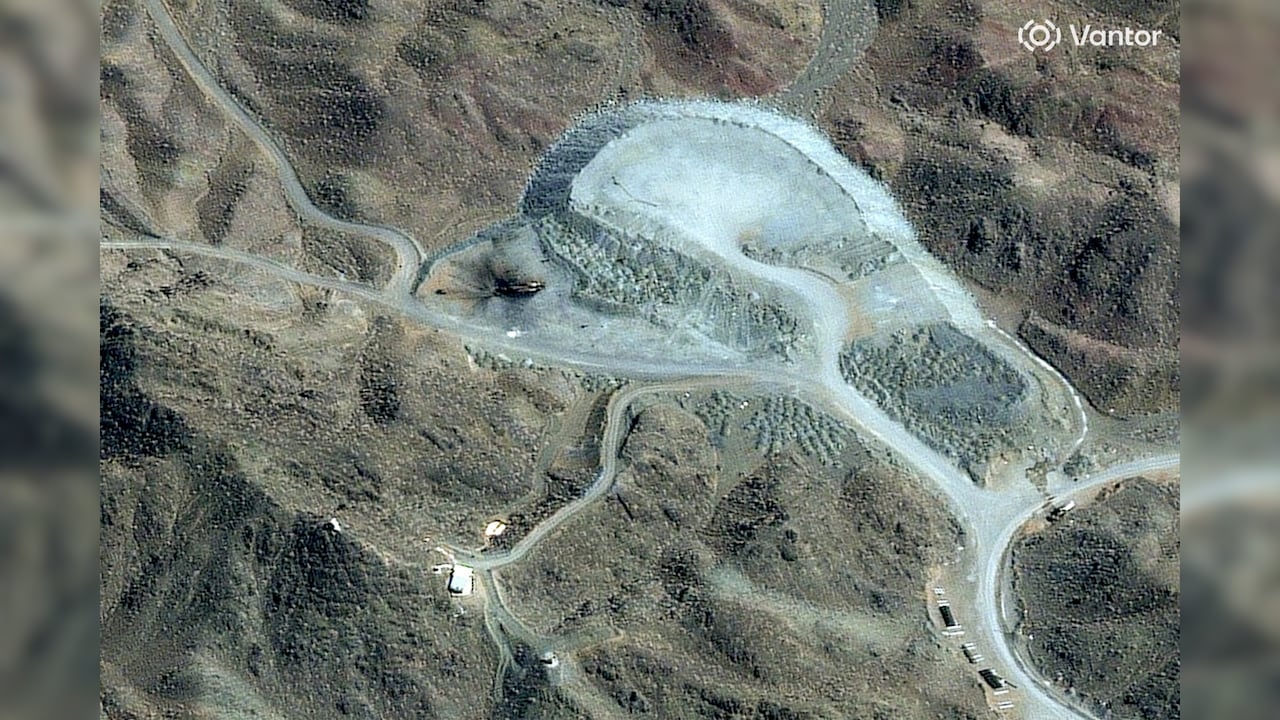
Iran's Fordow nuclear facility has long been considered one of the most fortified underground sites in the world, posing a serious challenge to any potential military strike. A newer Iranian facility, referred to as Pickaxe, is reportedly built even deeper underground and reinforced with additional layers of concrete, making it harder to destroy. The Trump administration has signaled a tough stance on Iran's nuclear program, raising questions about the feasibility of military options. Analysts suggest that if Fordow was already difficult to neutralize, Pickaxe presents an even greater obstacle for US bunker-busting capabilities. The debate underscores the limits of military force in dismantling deeply buried nuclear infrastructure.

Read the full story at NDTV

This is an AI-generated summary. ShortSingh links to the original source for the complete article.

Discussion (0)

Log in to join the discussion and vote.

Log in

Related stories

0
IndiaTimes of India ·

Cabinet clears Rs 1,264-crore Ballari-Guntakal Rail Project, due by 2029

The Union Cabinet has approved a Rs 1,264-crore railway project to develop new rail lines between Ballari and Guntakal. The initiative is designed to strengthen freight movement and passenger connectivity across key states in the region. A primary goal of the project is to reduce rail congestion and improve overall logistics efficiency. The additional rail capacity is expected to enable smoother transportation of both passengers and goods. The project is targeted for completion by the financial year 2028-29.

0
IndiaNDTV ·

Centre Plans Major Overhaul of NTA to Prevent Future Paper Leaks

The Indian government is planning a significant restructuring of the National Testing Agency (NTA) in response to concerns over examination paper leaks. Among the key proposed changes is a revision of the agency's outsourcing practices, aimed at building a more secure and leak-proof testing system. The overhaul is being driven by the need to restore public trust in high-stakes national examinations conducted by the NTA. Officials familiar with the matter indicated that these reforms are intended to address systemic vulnerabilities within the testing body's current operations.