SShortSingh.
Back to feed

35 Years On: How India's 1991 Economic Reforms Transformed the Nation
0
·1 views

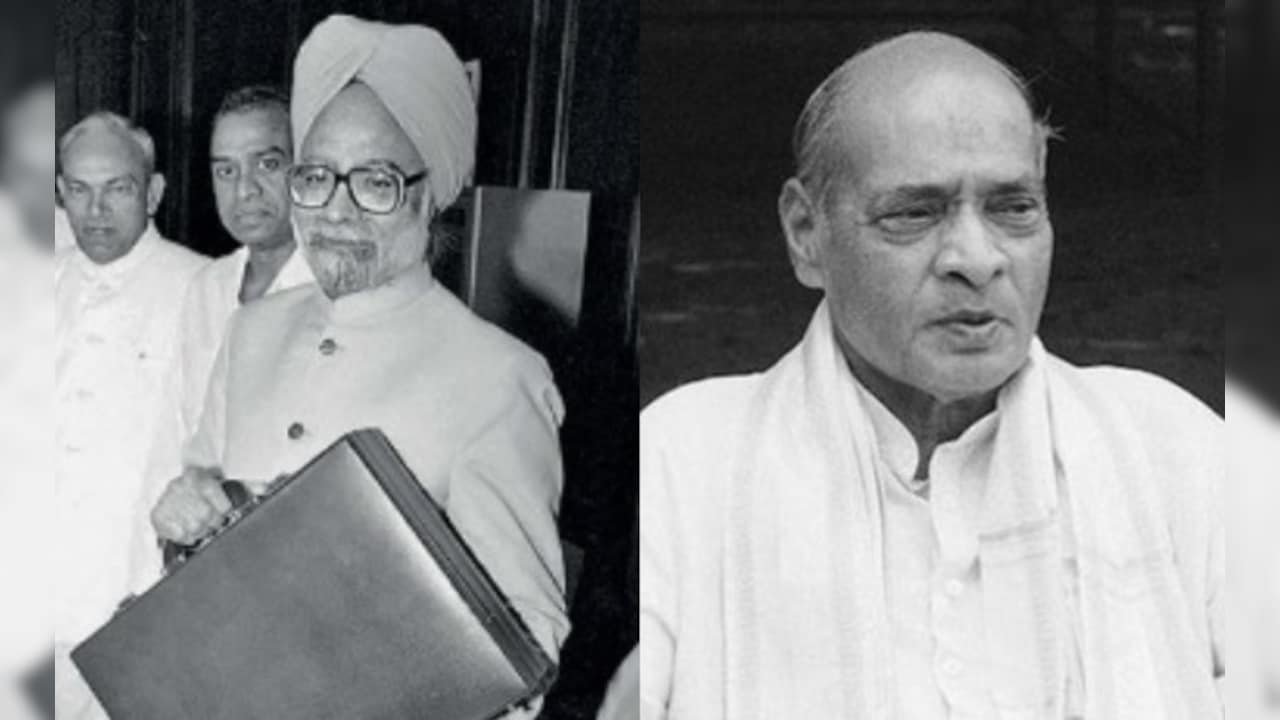
Thirty-five years ago, India faced a severe financial crisis that forced it to pledge its gold reserves as collateral to secure emergency loans. The 1991 economic reforms, commonly known as LPG — Liberalisation, Privatisation, and Globalisation — were introduced as a response to this near-bankruptcy situation. These sweeping policy changes opened India's economy to foreign investment, dismantled the licence raj, and encouraged private enterprise. Over the subsequent decades, India's economy grew significantly, transforming it from a debt-ridden nation into one of the world's fastest-growing major economies. Today, India holds one of the largest gold reserves in the world, marking a dramatic reversal of its 1991 financial position.

Read the full story at NDTV

This is an AI-generated summary. ShortSingh links to the original source for the complete article.

Discussion (0)

Log in to join the discussion and vote.

Log in

Related stories

0
IndiaTimes of India ·

India imports 32 lakh tonnes of fertiliser in Q1, diversifies supply sources

India imported over 32 lakh tonnes of key fertilisers during the first quarter, complementing domestic production of 115.72 lakh tonnes in the same period. The government is actively diversifying its import sources to reduce dependence on any single supplier and mitigate supply chain risks. Long-term agreements are being finalised with overseas suppliers to ensure sustained fertiliser availability. India is also procuring water-soluble fertilisers from multiple countries to address domestic shortfalls. These measures reflect a broader strategy to strengthen agricultural input security across the country.

0
IndiaTimes of India ·

Cabinet approves stricter bill with 10-year jail, Rs 10 crore fine for paper leaks

The Union Cabinet has cleared a tougher anti-paper leak bill aimed at curbing examination fraud in India. The proposed legislation seeks to significantly increase penalties for those found guilty of leaking question papers. Under the new bill, the maximum jail term could reach up to 10 years, along with a fine of up to Rs 10 crore. The minimum prison sentence is also set to be raised from the current 3 years to 5 years, effectively doubling the punishment. The move signals the government's intent to take a harder stance against examination malpractice.

35 Years On: How India's 1991 Economic Reforms Transformed the Nation · ShortSingh